Legal Basis for Driving Automatic with Manual Licence
Manual licences in the U.S. allow driving standard vehicle,automatic or manual, unless special controls are required. State laws confirm this, and federal safety standards do not differentiate. EU and UK regulations similarly treat licences as general driving rights, regardless of transmission.
United States Federal and State Laws
In the United States, the Federal Motor Vehicle Safety Standards (FMVSS) set baseline requirements for vehicle safety but do not dictate licensing categories; The Department of Motor Vehicles (DMV) in each state issues a driver’s license that reflects the type of vehicle a driver is permitted to operate. A standard “Class D” or “regular” license, whether obtained with a manual or automatic test, authorizes the holder to drive any passenger vehicle that meets the vehicle’s classification, regardless of its transmission type. The only federal restriction that could affect transmission choice is the requirement for special equipment for disabled drivers, such as hand controls or power steering, which is addressed on a case‑by‑case basis and does not alter the license class. State statutes typically mirror this framework. For example, California’s Vehicle Code § 40000 states that a driver with a valid license may operate any vehicle that the license permits, and the code makes no distinction between manual and automatic transmissions. Similarly, New York’s Vehicle and Traffic Law § 122.25 allows drivers to operate any vehicle that is not specifically restricted by the license, and the law does not differentiate between transmission types. Some states, however, offer a “manual” endorsement or a “hand‑brake” endorsement for drivers who wish to demonstrate proficiency in a manual transmission; this endorsement is optional and does not create a separate license class. In practice, the DMV’s licensing process focuses on the driver’s ability to control the vehicle, not on the transmission. Therefore, the DMV’s licensing process focuses on the driver’s ability to control the vehicle, not on the transmission. The only time a manual licence holder would be restricted from driving an automatic is if the vehicle requires special controls that are not covered by the standard license, such as a hand‑control kit for a disabled driver, which would necessitate a separate medical certification and potentially a special license endorsement. Overall, federal and state law treat the manual and automatic transmission as interchangeable for the purposes of licensing, and a standard driver’s license grants the right to operate either type of vehicle. Drivers should verify that their insurance covers manual transmissions, as some policies differentiate coverage. When transferring a license between states, the new state’s DMV accepts the existing license if it meets the same criteria, ensuring seamless mobility across state lines for driver
International Regulations (EU, UK, etc.)
In the European Union, the driving licence framework is harmonised under Directive 2006/126/EC, which recognises a single “Category B” licence for the operation of passenger cars up to 3,500 kg. The licence itself does not specify transmission type; any vehicle that falls within the category may be driven, whether it is a manual, automatic, or dual‑clutch system. Member states may issue a “manual” endorsement (e.g. the UK’s “manual” or “stick” endorsement) as an optional add‑on, but it is not a legal requirement. The UK’s Road Traffic Act 1988 and the Driver Licensing Regulations 2003 state that a licence holder may drive any vehicle that the licence allows, and the Act contains no clause that restricts automatic vehicles for manual licence holders. In Germany, the Fahrerlaubnis (Class B) is equally valid for all standard passenger cars, and the German Traffic Regulations (Straßenverkehrsordnung) do not differentiate between gearboxes. France’s Code de la Route grants a “permis de conduire” that covers all passenger vehicles, with no transmission restriction. However, some national licensing authorities offer a “manual” endorsement for drivers who wish to demonstrate competence in a manual gearbox; this is purely optional and does not alter the legal driving rights. In all EU countries, the European Court of Justice has ruled that a licence issued for a vehicle with a manual transmission cannot be used to restrict the holder from driving an automatic vehicle, as this would contravene the principle of mutual recognition and non‑discrimination. Consequently, a standard EU licence, regardless of the transmission used during the test, permits the holder to drive any compliant vehicle, including automatic cars. Drivers should, however, confirm that their insurance policy covers automatic transmissions, as some insurers differentiate coverage based on gearbox type. When travelling abroad, a valid EU licence is recognised in most non‑EU countries that are part of the International Driving Permit (IDP) system, and the IDP itself contains no transmission specification. Therefore, under current international regulations, a manual licence holder is fully authorised to drive automatic vehicles without additional qualification or endorsement. This uniformity ensures that drivers can travel across borders without needing to retake tests.
Understanding the Manual Licence
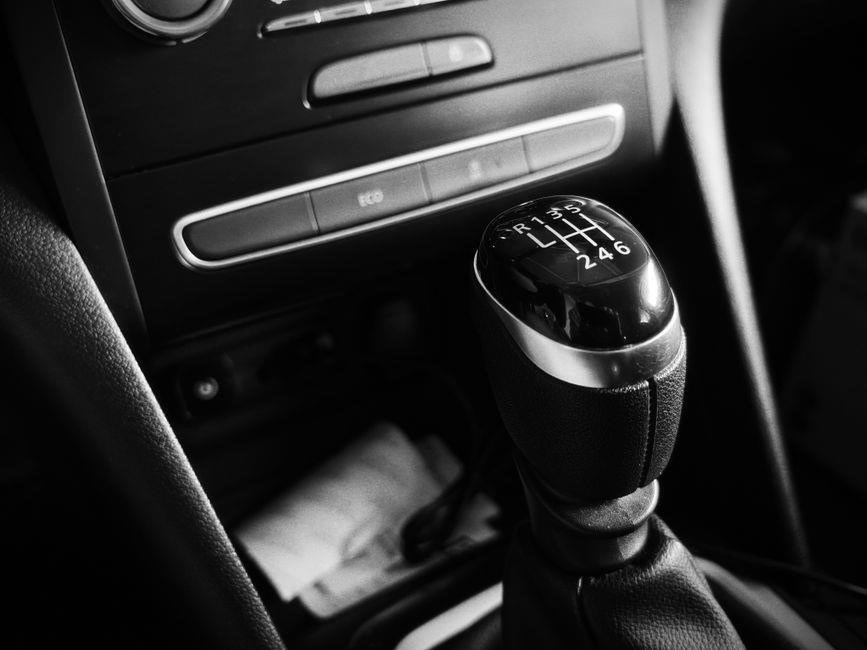
A manual licence grants the holder the right to operate any standard vehicle, regardless of transmission type, unless the licence specifies restrictions. It covers both manual and automatic cars, provided no special equipment is mandated by law or medical condition. It is valid nationwide. and no test.
What a Manual Licence Entitles You To
A manual licence grants the holder the legal authority to operate any standard motor vehicle on public roads, provided the vehicle meets safety and registration requirements. The licence does not restrict the type of transmission; it covers conventional, automatic, and semi‑automatic gearboxes. The driver must possess a valid driver’s licence, a current vehicle registration, and appropriate insurance. The licence also permits the holder to drive vehicles equipped with hand controls or other adaptive devices if the applicant has undergone the necessary medical assessment and the vehicle is properly modified. The licence allows operation of vehicles with manual or automatic transmissions in interstate commerce, subject to federal regulations. The licence holder may also operate vehicles with advanced driver assistance systems, provided the vehicle is road‑legal and the driver is trained to use the system. The licence does not grant the right to drive non‑road‑legal vehicles, such as off‑road or recreational vehicles, unless a separate licence or endorsement is obtained. The licence holder is responsible for ensuring that the vehicle’s transmission is functioning correctly that driver can safely operate the vehicle under all conditions. Additionally, the licence holder may hold a provisional endorsement for operating vehicles with manual transmissions that have been converted to automatic transmissions, provided the vehicle meets all safety standards and the driver has completed a brief refresher course. This is mandatory always
Conditions and Exceptions for Manual Licence Holders
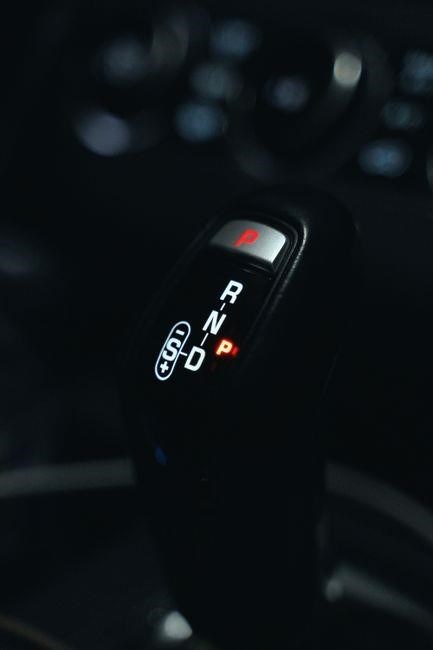
In the United States, a licence issued for manual transmission does not restrict the driver to that type of vehicle. The licence is a general authorisation to operate any motorised vehicle that meets the safety and registration requirements of the state. Consequently, a driver who has passed a manual‑only test may legally drive an automatic‑transmission car without any additional endorsement or test. The same principle applies across the European Union and the United Kingdom, where the licence categories are defined by vehicle class (e.g. B, C) rather than by transmission type. However, a few specific circumstances create exceptions to this broad rule. First, if a vehicle is fitted with special equipment such as hand‑controls or foot‑controls for a driver with a disability, the licence holder must possess a special endorsement that authorises the use of those controls. Second, some states issue a “restricted” licence that limits the holder to manual‑transmission vehicles only; in those rare cases the driver must obtain a separate endorsement or pass an additional test to operate an automatic. Third, when a driver uses a vehicle that is not normally available in the market—such as a custom‑built car with a manual transmission but an automatic‑style gear selector—state law may require a specific endorsement to confirm that the driver is competent with that configuration. Finally, insurance policies sometimes impose their own restrictions: an insurer may refuse to cover a driver who uses an automatic vehicle while holding a licence that was obtained solely on the basis of a manual test, unless the policy explicitly states that the licence covers all transmissions. These exceptions are the only situations in which a manual licence holder cannot simply drive an automatic vehicle without further qualification. Additionally, some jurisdictions require that the driver demonstrate competence with the specific automatic transmission during a separate assessment if the vehicle’s gear selector is unconventional. In practice, most drivers find no practical barrier, but it is prudent to check the specific state or country regulations before assuming automatic operation is permitted. Therefore, drivers should always verify their licence status with the local department of motor vehicles before operating any vehicle that differs from the one used during their test.
Automatic Vehicles Eligible Under a Manual Licence
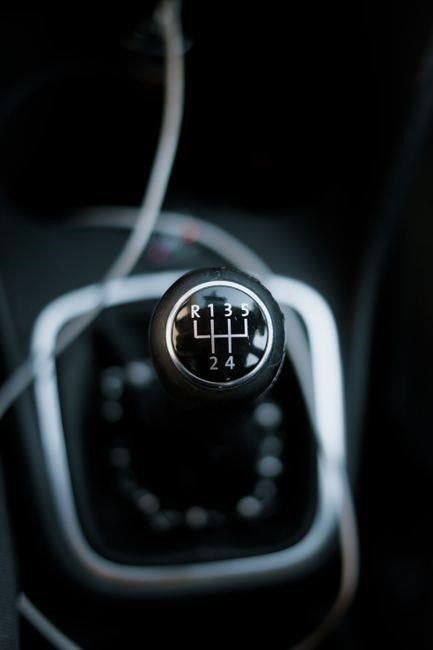
Standard automatic transmissions, dual‑clutch, and semi‑automatic systems are all permissible under a manual licence. The licence grants the right to operate any vehicle that does not require special controls, so these transmissions pose no legal restriction. Thus,with an automatic gearbox is covered!
Standard Automatic Transmissions
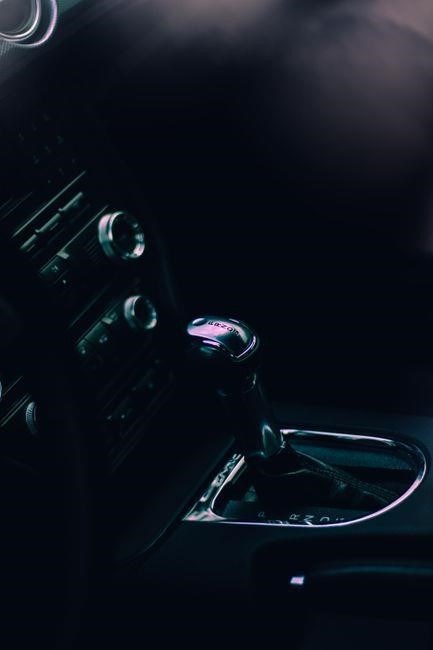
Standard automatic transmissions are fully covered by a manual licence in most jurisdictions. In the United States, state motor‑vehicle departments issue a single licence that authorises driving any vehicle equipped with a conventional automatic gearbox, provided no special controls (hand‑brake, hand‑controls, or adaptive devices) are required. The Federal Motor Vehicle Safety Standards (FMVSS) do not impose a transmission‑specific restriction, and the National Highway Traffic Safety Administration (NHTSA) confirms that a manual licence holder may operate a vehicle with an automatic transmission without additional testing.
In the European Union, the European Driving Licence Directive (2006/126/EC) establishes a harmonised licence framework that recognises all standard automatic transmissions as part of the general driving right. The United Kingdom, after Brexit, retained the same principle: a Class B licence permits driving any vehicle with a standard automatic gearbox, unless the vehicle is fitted with hand‑controls or other special equipment. The UK Driver and Vehicle Licensing Agency (DVLA) explicitly states that a manual licence holder may drive a standard automatic vehicle without further endorsement.
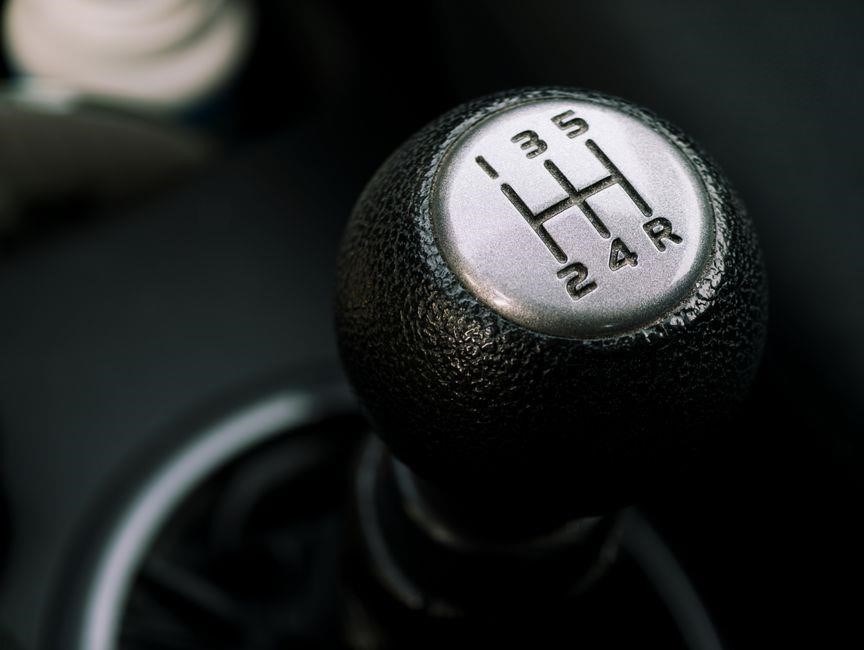
When you pass a test in an automatic car, the licence is not limited to that transmission. You may drive any other automatic vehicle, including dual‑clutch or semi‑automatic systems, provided they lack special adaptive controls. Exceptions only occur with rare restriction codes. Nationwide, this applies to all states.!
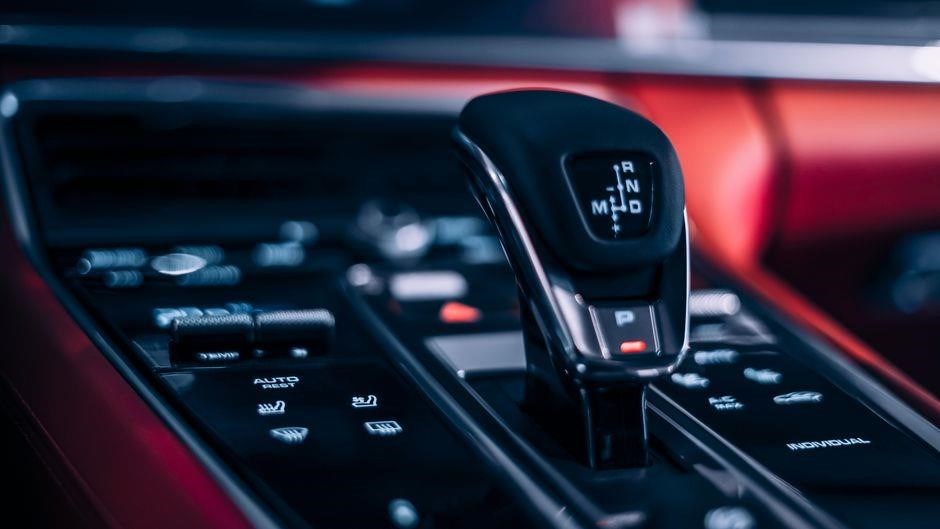
Dual‑Clutch and Semi‑Automatic Systems
Dual‑clutch transmissions (DCTs) combine the efficiency of a manual gearbox with the convenience of an automatic. They use two separate clutches for odd and even gear sets, allowing pre‑selection of the next gear and rapid engagement. From a licensing standpoint, a DCT behaves as a conventional automatic: the driver does not need to operate a clutch pedal, and gear changes are handled electronically. Consequently, most U.S. state motor‑vehicle departments classify DCTs under the same “automatic” category used for conventional torque‑converter units. The National Highway Traffic Safety Administration (NHTSA) has issued no special licensing requirements for drivers of dual‑clutch vehicles, and insurance carriers typically treat them as standard automatics, with no premium adjustment based solely on the transmission type. In the European Union, the General Driving Licence (GDL) framework treats all non‑manual vehicles uniformly; the European Commission’s Directive 2006/126/EC does not distinguish between torque‑converter and dual‑clutch systems. UK licensing authorities, including the Driver and Vehicle Licensing Agency (DVLA), explicitly state that a standard driving licence covers vehicles equipped with dual‑clutch or semi‑automatic gearboxes, provided the vehicle meets the standard safety and emissions criteria. Some manufacturers label their DCTs as “semi‑automatic” to emphasize that the driver can manually select gears via a paddle or shift lever, but the lack of a clutch pedal means the vehicle remains in the automatic category for licensing purposes. Therefore, holders of a manual licence can legally drive dual‑clutch and semi‑automatic vehicles without additional testing or endorsements, as long as the vehicle’s documentation indicates it is not a manual transmission. It is advisable for drivers to verify the vehicle’s classification with the manufacturer’s VIN data or the dealer’s documentation, especially when importing a vehicle from abroad, to ensure compliance with local licensing regulations. In practice, most drivers report no difficulty operating DCTs, noting that the system’s automated clutch engagement reduces the learning curve compared to traditional manuals. However, some drivers experience a slight “shift shock” during rapid gear changes, which can be mitigated by selecting a more gradual shift mode if the vehicle offers it. Overall, dual‑clutch and semi‑automatic transmissions are fully compatible with manual licences across both U.S. and European jurisdictions, with no additional legal barriers beyond standard vehicle registration and insurance requirements.
Drivers should also be aware that some dual‑clutch models offer a “manual mode” where the driver can lock the gear selector, but this mode still does not require a clutch pedal and remains within the automatic classification.
Practical Guidance for Manual Licence Holders
Manual licence holders can drive any automatic vehicle without extra tests. Verify the vehicle’s registration shows it’s not a manual. Insurers treat automatics the same; no premium hike. Keep a copy of your licence and vehicle documents handy for roadside checks. Always carry proof of insurance and a valid ID.
Insurance Implications
When a driver holds a manual licence but operates an automatic vehicle, the licence permits driving any standard car, so the policy remains valid regardless of transmission. Insurers use vehicle characteristics to adjust premiums; automatic cars are linked to fewer roll‑over incidents, often yielding a lower risk rating and a discount. If you switch from a manual to an automatic, notify your insurer and provide proof of the vehicle’s transmission. Some carriers offer an “automatic‑vehicle discount” that applies to drivers who exclusively drive automatics; a manual licence holder who occasionally drives an automatic may still qualify, but the discount is applied on a per‑vehicle basis rather than per‑licence. A “manual‑driver discount” is rarely available, so holding a manual licence does not automatically reduce your rate. Insurers may require a “transmission endorsement” when the vehicle type changes; failure to update the policy can result in a coverage gap or a higher premium if the insurer re‑assesses the risk profile. Key steps: confirm coverage, update details, ask about discounts, and keep documentation;
Some insurers impose a manual‑licence surcharge for drivers who have never taken a manual test. This surcharge can be waived if the driver completes a short refresher course on manual transmissions. State boards publish guidelines allowing insurers to adjust rates based on vehicle type, while complying with non‑discrimination statutes. Always review the policy wording and any state regulations that might affect your premium when you switch vehicle types. Check with insurer for details now.
Test‑Vehicle Requirements and Driving Test Considerations
When preparing for a driving test that will determine whether a manual licence holder can legally operate an automatic vehicle, examiners focus on two main aspects: the vehicle’s mechanical suitability and the test‑driver’s demonstrated competence. First, the test vehicle must be a standard, road‑worthy car that carries a valid registration, insurance, and a current safety inspection. It should have a functioning clutch pedal, gear lever, and brake system, even if the test will ultimately be taken in an automatic. Many U.S. states allow a manual licence holder to take the test in an automatic, provided the vehicle meets all safety and registration requirements; however, the examiner will still assess clutch control, gear‑shift timing, and the ability to handle a manual transmission if required by state law. In the United Kingdom, the manual licence test is strictly performed in a manual vehicle, and the examiner will evaluate hill‑starts, gear changes, and clutch coordination. If a candidate fails to demonstrate adequate control, they may be required to retake the test in a manual vehicle. In the European Union, a manual licence is considered a general driving licence that covers all transmission types, so the test vehicle can be either manual or automatic, but it must still meet the EU’s safety and environmental standards. Test‑vehicle requirements also include functional seat belts, working lights, and a properly calibrated speedometer. Additionally, the examiner will observe how the test‑driver manages the vehicle in urban and rural settings, checks for correct use of indicators, and ensures compliance with traffic signals. Finally, some states require that the test vehicle’s transmission is clearly labeled and that the driver can demonstrate an understanding of the differences between manual and automatic systems, even if the test is not taken in a manual vehicle. These considerations help ensure that licence holders are competent to drive any vehicle type, including automatics, under the legal framework of their jurisdiction.
Common Misunderstandings and Clarifications
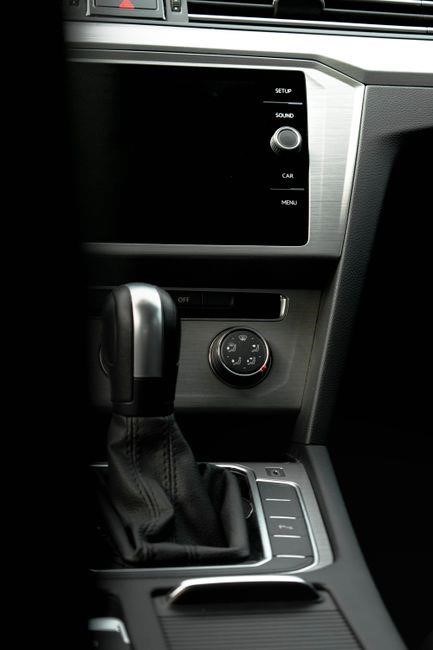
One widespread myth is that a manual licence automatically limits a driver to stick‑shift cars. In fact, the licence is a general permission to operate any standard vehicle, including automatics, unless the vehicle requires special controls such as hand‑controls for a disability. Another confusion stems from the belief that passing an automatic test grants a separate licence for automatics only. This is false; the licence remains the same and covers all standard transmissions. Some states issue a distinct “automatic” licence only for those who have never taken a manual test, but this is uncommon and typically applies only to new drivers who have never held any licence. A third misconception involves insurance coverage. Many drivers worry that an insurer will refuse to cover an automatic vehicle if their licence is labeled manual. In practice, insurers view the licence as a general driving privilege and will cover any standard vehicle, provided the driver meets age, experience, and safety criteria. Finally, there is a belief that a manual licence holder must re‑test to drive a manual vehicle after passing an automatic test. This is not required; the initial licence is valid for both types of transmissions, and no additional testing is needed unless the driver wants a separate licence for a vehicle with special controls or a commercial licence.
In practice, the licence is a general driving right; the transmission type does not change its legal validity for all standard vehiclesonly