Bikram Yoga PDFs compile 26 hot‑room poses, each with step‑by‑step guidance, alignment cues, and breathing cues. They serve as portable references for practitioners and teachers, enabling consistent practice, quick review, and easy sharing across devices. Use them to track progress and share insights.!
Key Features of a Bikram Yoga PDF Guide
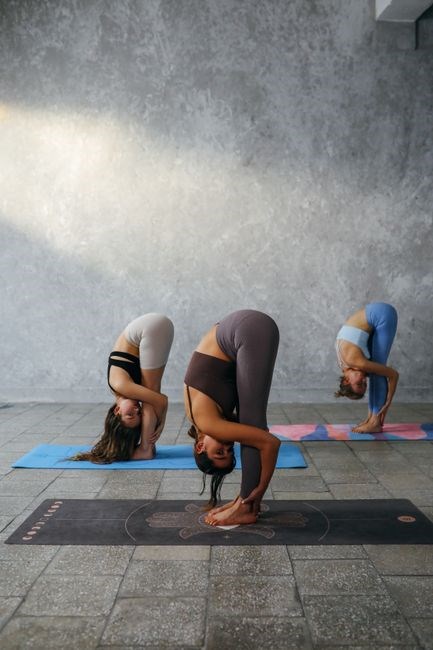
High‑resolution pose illustrations ensure clear visual reference for each of the 26 Bikram sequences, from the foundational Sun Salutations to the closing Savasana. The PDF layout follows a logical flow: warm‑up, core, and cool‑down sections, each marked with concise titles and numbered steps. Detailed alignment notes highlight critical joints, muscle engagement, and common pitfalls, allowing users to self‑correct without a teacher’s presence. Breath cues accompany every pose, reinforcing the 6‑second inhalation and 6‑second exhalation rhythm that defines Bikram practice. A dedicated “Hot Room Tips” sidebar offers hydration reminders, temperature guidelines, and safety warnings for high‑intensity sessions. The guide is in A4 or Letter, with bleed‑free margins, includes a QR code linking to supplementary video demonstrations. Accessibility features such as alt‑text for images and a high‑contrast mode make the PDF usable for visually impaired practitioners. Finally, a customizable “Progress Tracker” table lets users log repetitions, difficulty levels, and personal notes, turning the PDF into a dynamic training log rather than a static reference It is a guide. —?
The PDF’s compact design ensures clear visual reference for each of the 26 Bikram sequences, from the foundational Sun Salutations to the closing Savasana. The PDF layout follows a logical flow: warm‑up, core, and cool‑down sections, each marked with concise titles and numbered steps. Detailed alignment notes highlight critical joints, muscle engagement, and common pitfalls, allowing users to self‑correct without a teacher’s presence. Breath cues accompany every pose, reinforcing the 6‑second inhalation and 6‑second exhalation rhythm that defines Bikram practice. A dedicated “Hot Room Tips” sidebar offers hydration reminders, temperature guidelines, and safety warnings for high‑intensity sessions. The guide is in A4 or Letter, with bleed‑free margins, includes a QR code linking to supplementary video demonstrations. Accessibility features such as alt‑text for images and a high‑contrast mode make the PDF usable for visually impaired practitioners. Finally, a customizable “Progress Tracker” table lets users log repetitions, difficulty levels, and personal notes, turning the PDF into a dynamic training log rather than a static reference
Essential Poses Included in Bikram Yoga PDFs
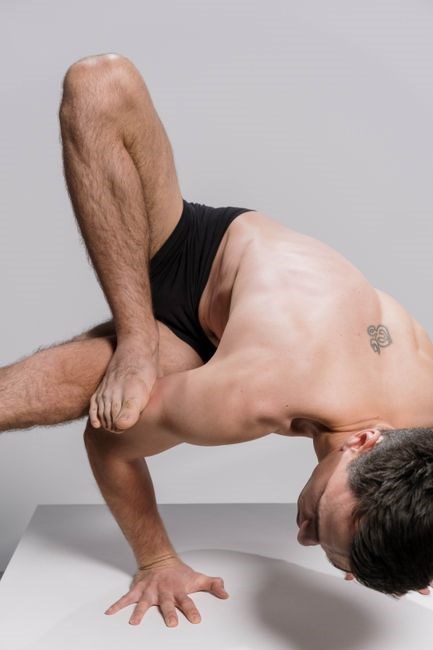
Each PDF presents the full 26‑pose sequence, beginning with the Sun Salutation A (Surya Namaskar A) and progressing through the warm‑up series that activates hips, shoulders, and spine. Core poses such as the Standing Forward Bend (Uttanasana), Half Moon (Ardha Chandrasana), and the challenging Headstand (Sirsasana) are illustrated with step‑by‑step alignment cues. The sequence culminates in the Savasana (Corpse Pose) for integration. Every pose includes a brief description, key muscle groups engaged, and common alignment errors to avoid. The PDF also lists the recommended repetition count for each pose, ensuring a balanced warm‑up, core, and cool‑down. Additionally, a side panel highlights the breathing rhythm—six seconds in, six seconds out—critical for maintaining heat and focus. The guide’s visual layout uses high‑resolution images, color‑coded pose names, and concise bullet points, making it easy for both beginners and seasoned practitioners to reference during hot‑room sessions. By following the PDF, users can maintain consistency, track progress, and safely navigate the full Bikram sequence. The PDF’s design emphasizes readability: each pose is numbered, color‑coded, and accompanied by a concise bullet list of key alignment points. A small inset graphic shows the correct hand placement for the Headstand, while a side note reminds practitioners to keep the spine neutral during the Half Moon. The breathing instruction is embedded directly beneath each pose, reinforcing the 6‑second inhale/exhale pattern that Bikram practitioners rely on to regulate body temperature. Users can print the guide in A4 format or view it on tablets; the responsive layout ensures that images scale without distortion; For those who prefer digital interaction, the PDF includes hyperlinks that open short video clips hosted on a trusted yoga platform, allowing instant visual confirmation of technique. Finally, a printable “Progress Log” page at the end of the document lets users tick off completed poses and note any adjustments needed for future sessions, turning the PDF into a living training companion.
Practical Tips for Using Bikram Yoga PDFs Effectively
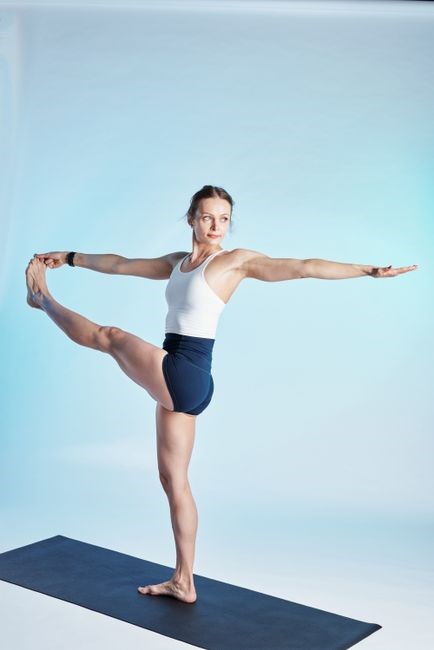
When you open a Bikram Yoga PDF, start by scanning the table of contents to locate the 26‑pose sequence and any supplementary sections such as breathing guidelines or safety notes. Print the guide on high‑quality paper or view it on a tablet with a matte screen to reduce glare in the hot room. Position the PDF on a stable stand so you can glance at it without bending your neck; many teachers use a small lap desk or a wall‑mounted holder. Before each session, review the warm‑up poses in the PDF to mentally prepare for the heat and to confirm the correct alignment cues. During practice, keep the PDF within arm’s reach and use a light‑weight yoga mat to avoid slipping; the PDF’s numbered layout helps you track progress and ensures you don’t skip any pose. After completing the sequence, refer back to the PDF’s cool‑down section to verify you performed each pose correctly, noting any adjustments needed for future sessions. For advanced practice, use the PDF’s “Optional Variations” notes to add difficulty or modify for injury. Finally, maintain a digital backup of the PDF on a cloud service so you can access it from any device, and consider bookmarking the PDF’s URL if it’s hosted online for quick updates. These steps help you stay consistent, reduce injury risk, and deepen your understanding of each pose’s mechanics. Remember to hydrate before and after, and keep a small towel handy to wipe sweat, ensuring focus heated session!!
Reliable Sources for Downloading Bikram Yoga PDF Collections
Find reputable sites like Bikram Yoga International, Yoga Journal, or certified teacher portals. Verify PDFs are updated, free of malware, and include full pose sequences. Use secure download links, check for PDF integrity, and respect copyright. ©2026!
Historical Context of Bikram Yoga
Bikram Yoga, also known as Bikram Hot Yoga, traces its roots to 1970s India, where Dr. Bikram Choudhury developed a 26‑pose sequence performed in a heated room. Inspired by traditional Hatha and Ashtanga practices, he combined heat’s therapeutic benefits with precise alignment and breath control. The 1974 publication of “The Bikram Yoga Manual” formalized the sequence, establishing a standardized curriculum. The practice spread globally, with students founding studios in the United States and Europe. Over the decades, the method gained acclaim for its systematic approach while facing scrutiny over intense heat and health risks. Despite controversies, the core 26‑pose structure remains widely taught, and many studios offer variations that honor the original framework. Today, Bikram Yoga PDFs serve as essential tools for preserving the sequence’s integrity, providing practitioners with detailed pose instructions, alignment cues, and breathing techniques that reflect the tradition’s historical evolution and pedagogical rigor.
- 1974 – Publication of “The Bikram Yoga Manual”
- 1980s – Expansion into North America and Europe
- 1990s – Establishment of the International Bikram Yoga Association
- 2020s – Emergence of digital resources, including PDFs, to standardize practice worldwide
Modern practitioners rely on digital PDFs to access pose diagrams, step‑by‑step instructions, and historical context, ensuring the legacy of Bikram Yoga continues to be shared responsibly across diverse cultures and fitness communities. These PDFs often include detailed alignment diagrams, breathing cues, and safety reminders, making them indispensable tools for both beginners and seasoned teachers seeking to maintain consistency and depth in their practice and a supportive community now!
Benefits of Structured Bikram Sessions
Structured Bikram sessions, as outlined in downloadable PDFs, deliver a predictable progression that enhances physical conditioning, mental focus, and recovery. The 26‑pose sequence, performed in a controlled 105‑F environment, systematically targets major muscle groups, joint mobility, and core stability. By following a fixed order, practitioners develop muscle memory, reduce injury risk, and experience consistent cardiovascular benefits. The heat induces sweating, which promotes detoxification, improved circulation, and increased flexibility. PDFs provide step‑by‑step alignment cues, ensuring safe execution of challenging postures such as “Wheel” and “Headstand.” Detailed breathing instructions synchronize inhalation and exhalation with movement, fostering diaphragmatic strength and stress reduction. Consistent practice also supports metabolic rate, aids weight management, and enhances hormonal balance. Moreover, the routine’s rhythm cultivates mindfulness, allowing practitioners to track progress over time. Digital PDFs enable quick reference, allowing teachers to adjust intensity, add modifications, or incorporate restorative poses. Overall, structured Bikram PDFs empower both beginners and advanced yogis to reap comprehensive benefits while maintaining safety and consistency.
By integrating these PDFs into daily routines, practitioners cultivate resilience, refine technique, and enjoy improvements in flexibility, balance, and mental clarity, turning each session into a transform daily experience.
Common Warm-Up Poses in Bikram Yoga
Before diving into the full 26‑pose sequence, Bikram practitioners rely on a concise warm‑up routine that activates the spine, shoulders, hips, and core. Most PDFs list three or four foundational poses that prepare the body for heat and movement. The first is the “Standing Forward Bend,” where the practitioner stands tall, then folds forward, keeping knees slightly bent to protect the lower back. This pose stretches the hamstrings, releases tension in the spine, and encourages mindful breathing. Next, the “Cat‑Cow” series, performed on all fours, mobilizes the thoracic spine, improves rib cage expansion, and stimulates the abdominal organs. The third common warm‑up is the “Seated Twist,” where the individual sits cross‑legged, twists toward one side, and uses the opposite hand to deepen the rotation. This pose opens the thoracic cavity, activates the obliques, and enhances spinal mobility. Finally, many PDFs include a brief “Shoulder‑Opening” stretch, such as the “Thread the Needle,” which releases the upper back and shoulders, preparing the upper limbs for the upcoming arm‑supporting poses. These warm‑up poses are designed to be performed slowly, with controlled breath, allowing the body to acclimate to the heat while preventing injury. By consistently following this warm‑up, practitioners experience smoother transitions, reduced muscle soreness, and a heightened sense of body awareness throughout the session. Practitioners often log warm‑up duration and intensity, noting how heat influences joint mobility and breath control. Reflective tracking informs sequence adjustments, ensuring each session stays safe, effective, and tailored to evolving needs daily. and consistency.!
Core Poses with Detailed Instructions

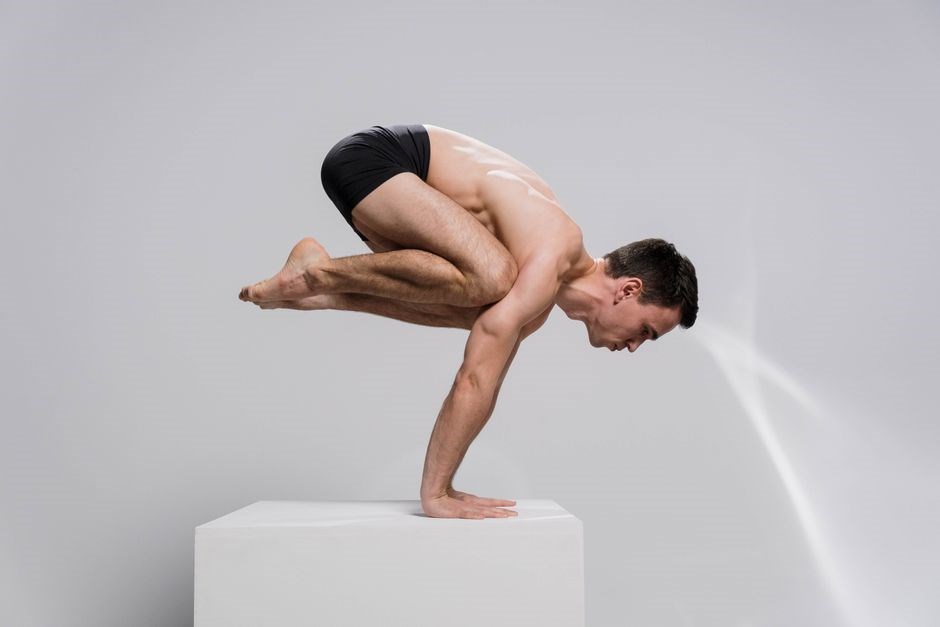
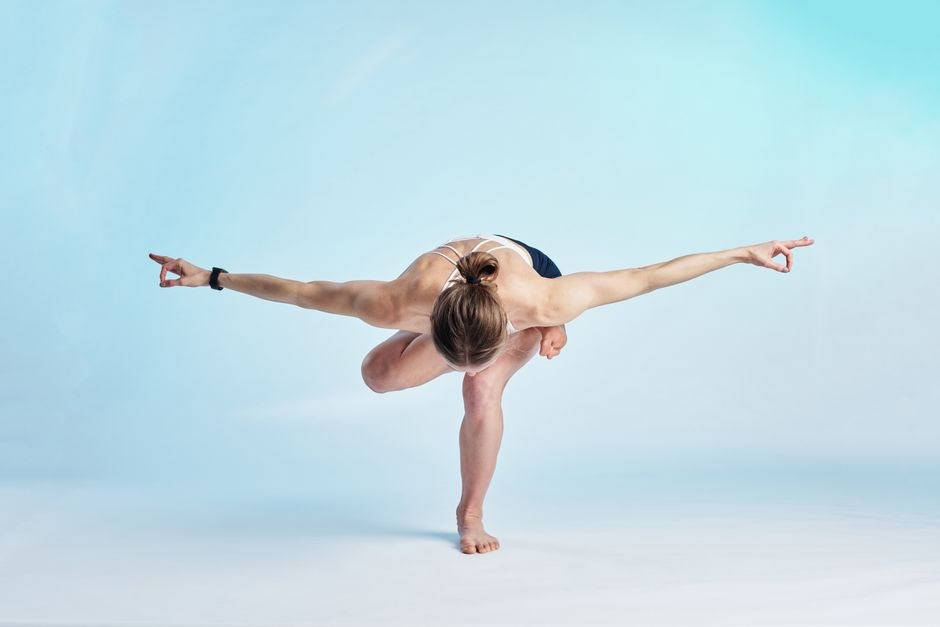
In a Bikram PDF, the core sequence anchors the practice with 20 standing, seated, and back‑bending poses that test balance, strength, and flexibility. The first core pose is the “Standing Forward Bend,” where the practitioner stands tall, inhales, then exhales into a deep forward fold, keeping knees slightly bent. The PDF emphasizes a neutral spine, a wide stance, and a gentle shoulder release to protect the cervical region. Next, the “Chair Pose” demands a full knee bend, a deep hip flexion, and a shoulder‑back posture. The PDF instructs to engage the core, lengthen the spine, and breathe evenly, ensuring the knees track over the toes. The “Wheel Pose” is a classic back‑bend that challenges the upper back, shoulders, and hip flexors. The PDF provides step‑by‑step alignment cues: a deep inhale to lift the chest, a slow exhale to deepen the arch, and a focus on keeping the shoulders engaged while the hips open. The “Crow Pose” and “Side Crow” build arm strength and core stability. The PDF describes hand placement, hip alignment, and breath pattern: inhale to lift, exhale to hold. Each pose includes benefits, potential pitfalls, and suggested modifications. The PDF encourages mindful breathing, using heat to deepen the stretch while maintaining joint integrity. By following these detailed instructions, practitioners can safely progress through the core sequence, enhancing strength, flexibility, and mental focus. Practitioners should monitor hydration and rest when needed. The PDF lists contraindications such as pregnancy, recent surgery, or joint issues, and suggests poses. By following these guidelines, students can enjoy Bikram yoga while
Cool-Down Poses and Breathing Techniques
After the 26‑pose sequence, the cool‑down consolidates gains, restores circulation, and calms the nervous system. The first pose is the Seated Forward Fold, where the practitioner sits with legs extended, inhales to lengthen the spine, then exhales into a forward fold. 4‑2‑4 pattern promotes relaxation. Next, the Supine Twist opens the thoracic spine and releases tension in the shoulders; the practitioner lies on the back, draws knees to the chest, and gently rotates to one side, breathing deeply. The Reclined Bound Angle stretches the hips and inner thighs; the practitioner lies on the back, brings feet together, and allows knees to fall open, inhaling to lengthen the spine and exhaling to deepen the stretch. Legs‑Up‑The‑Wall encourages venous return; the practitioner lies on the back, legs extended up a wall, holding for several minutes while maintaining slow, rhythmic breaths. Finally, Corpse Pose (Savasana) allows complete body relaxation; the practitioner lies flat, arms relaxed, eyes closed, and counts breaths, visualizing heat dissipating. Breathing techniques such as alternate nostril breathing, diaphragmatic breathing, and box breathing are integrated throughout the cool‑down to stimulate the parasympathetic nervous system, lower heart rate, and promote a sense of calm. These practices help reduce post‑practice soreness, improve flexibility, and support mental clarity, making the cool‑down an essential component of a balanced Bikram Yoga session. This cool‑down sequence ensures transition back to life leaving practitioners refreshednow.
Safety Guidelines for Hot Yoga Practice
Before diving into a 90‑minute Bikram session, consult a qualified instructor and review the PDF’s safety notes. Hydration is paramount: drink 500 ml of water 30 minutes before, then sip small amounts every 5–10 minutes. Avoid heavy meals and caffeine 2 hours prior. The PDF lists contraindications—pregnancy, heart disease, or recent surgery—so read them carefully. Wear breathable, moisture‑wicking clothing and a towel to absorb sweat; the room temperature typically sits at 40.5 °C (104 °F) with 40 % humidity, so acclimate gradually. Use the PDF’s alignment cues to prevent joint strain; if a pose feels sharp, modify or skip it. Monitor pulse and breathing; a sudden spike or shallow breaths signal overheating. The PDF recommends a 5‑minute cool‑down with gentle stretches and deep diaphragmatic breathing. If dizziness, nausea, or chest discomfort occurs, stop immediately, lie down, and seek medical help. Keep a first‑aid kit nearby and share your practice plan with a friend or family member. Finally, after the session, cool down with a lukewarm shower, rehydrate, and consume electrolytes. Following these guidelines, the PDF helps safeguard health while maximizing the benefits of Bikram yoga.
Always keep a water bottle nearby and sip slowly; never gulp large amounts at once. If you feel light‑headed, pause and rest in a seated position. Record your session details—time, temperature, and any discomfort—to refine future practice. Stay mindful of your limits and adjust now.
Choosing the Right Paper Size and Format for PDFs
When selecting a Bikram Yoga PDF, consider the device you’ll use. For mobile or tablet, a 4.5″×6.5″ (A5) format keeps the layout readable without zooming. Desktop users may prefer 8.5″×11″ (Letter) to print full‑page poses. The PDF should be in a vector format (PDF/A‑1b) to preserve clarity at any zoom level. Use a 300 dpi resolution for printed copies; 150 dpi suffices for on‑screen use. Include a margin of at least 0.5″ to avoid clipping during printing. The file size should stay under 2 MB for quick downloads, but high‑quality images can be compressed with JPEG‑2000 or WebP for mobile. Ensure the PDF is tagged for accessibility, allowing screen readers to navigate pose titles and instructions. When printing, select “fit to page” and disable scaling to maintain proportions. For digital reading, enable “continuous scroll” so users can glide through poses without page breaks. Lastly, test the PDF on multiple platforms—iOS, Android, Windows—to confirm consistent rendering. Proper sizing and formatting enhance usability and reduce frustration during practice. By following these guidelines, practitioners can enjoy a seamless experience across all devices. Additionally, consider exporting the PDF in both PDF/A and PDF/X formats to ensure compatibility with archival and professional printing workflows. A well‑structured table of contents, with clickable links to each pose, improves navigation. Finally, keep the PDF lightweight by removing unnecessary metadata and compressing embedded fonts. This keeps files small and loads quickly. For all users.

Printing Tips and Digital Reading Strategies
When preparing the PDF for classroom use, consider embedding a QR code that links to a video demonstration of each pose. This allows students to see the movement in real time while reading the text. Ensure that the QR code is placed in a corner that does not interfere with the pose diagram. Additionally, include a brief glossary of yoga terms to aid beginners. The glossary should be concise, using simple definitions that can be referenced quickly during practice.
For advanced users, layer the PDF with interactive hyperlinks to instructional videos or audio guides. Use built‑in annotation tools to note challenging poses. When sharing, respect copyright by using only PDFs from licensed Bikram Yoga instructors. Add a brief glossary of yoga terms to aid beginners. Include a QR code linking to pose demonstrations for quick reference.
When printing, choose a high‑resolution printer and set the paper to A4 or Letter to preserve pose dimensions. Use the “fit to page” option and disable automatic scaling that could distort angles. For digital reading, enable continuous scroll mode so you can glide through poses without page breaks. Bookmark key poses for quick reference. Print clarity and use matte finish to reduce glare.!!
Safety is paramount in hot yoga. Hydrate before, during, and after the session. Keep the room temperature at 105°F with 40% humidity. Use a towel to absorb sweat and prevent slipping. If you feel dizzy or nauseated, pause and cool down. Always have a trained instructor supervise the class to ensure correct alignment and prevent injuries. Listen to your breath and adjust as needed